Aquatic Achievers
Cutting swim-teacher time to competency through blended learning
Redesigning a national swim-teacher development pathway around digital preparation, coached poolside practice, and authentic workplace assessment.
70 → 40 hours
Average time to competency per trainee
Blended learning
Workplace performance
Frontline capability
MY ROLE
Learning strategy, instructional design, and project leadership
PROJECT TYPE
Blended learning · Frontline capability · Workplace assessment
Aquatic Achievers is now part of Carlile Swim.
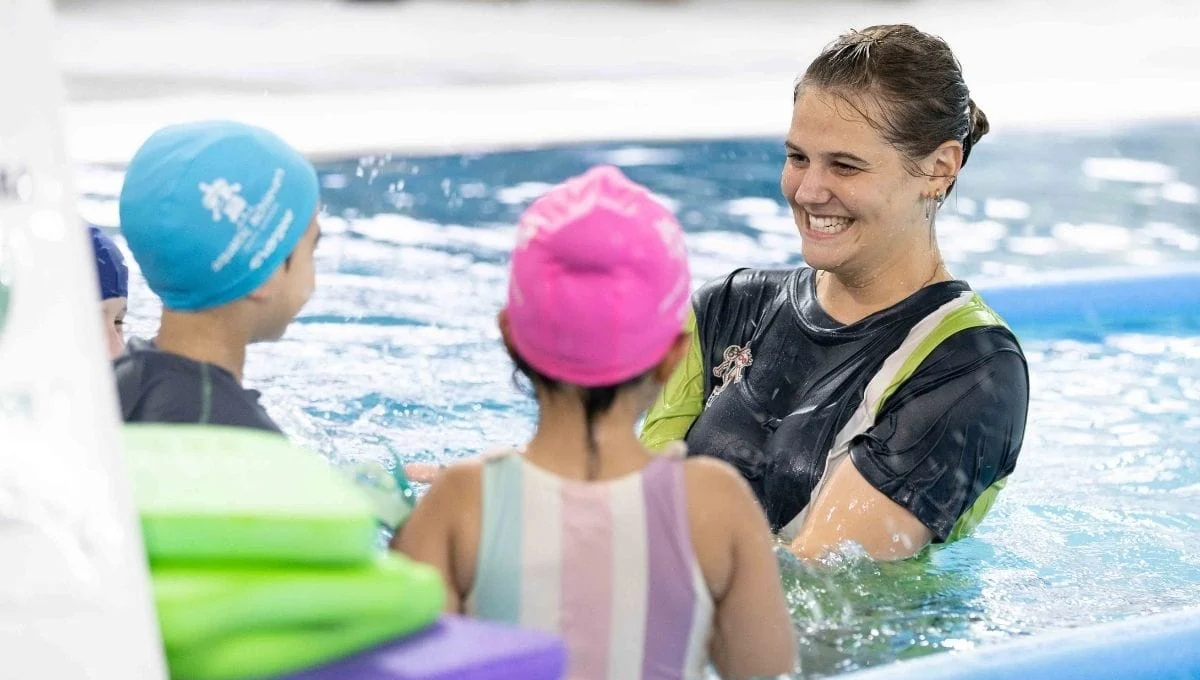
Training was taking too long to translate into poolside capability
Aquatic Achievers needed a more efficient and consistent way to prepare new swim teachers for work in a practical, safety-critical environment. The existing pathway required approximately 70 hours for trainees to reach competency, limiting how quickly new instructors could move into supervised and independent teaching.
The design challenge was not simply to shorten the program. It was to identify which knowledge genuinely required formal instruction, which skills had to be learned through practice, and how digital learning and workplace coaching could work together without compromising competency standards.
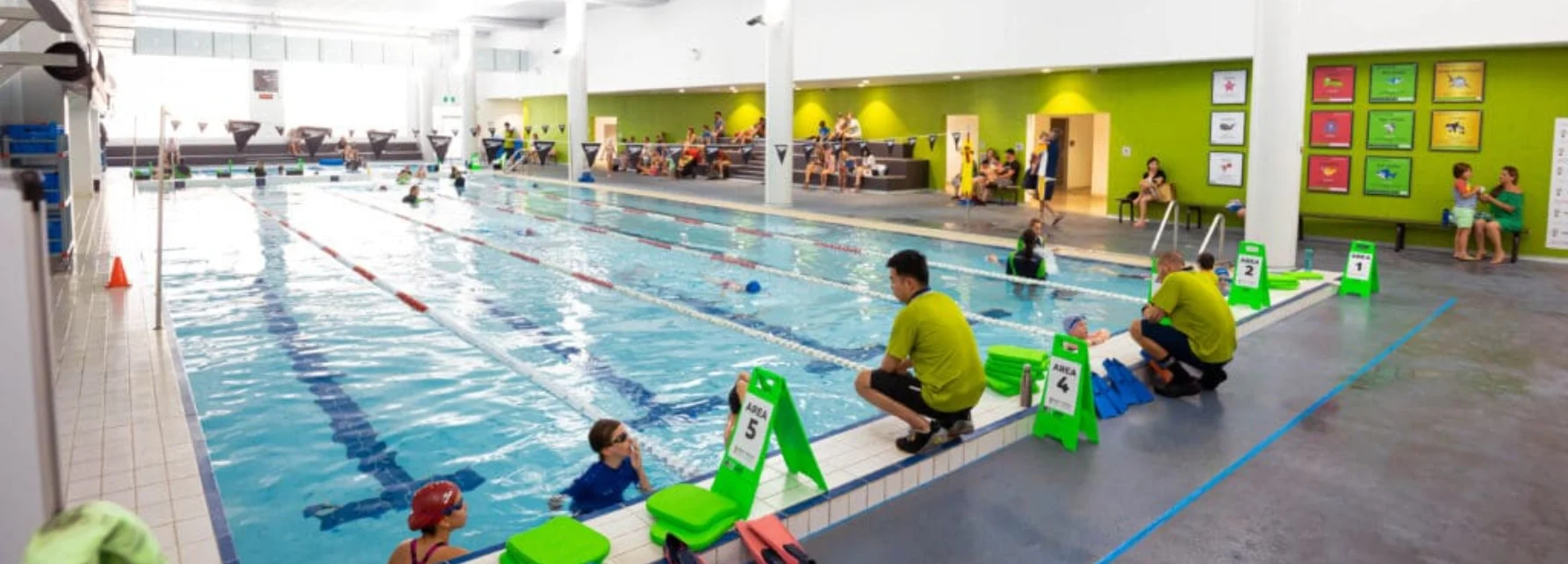
Start with the work, then design the learning
I used a Double Diamond approach to investigate the trainee experience, operational constraints, and capability requirements before redesigning the pathway.
Through discovery with the client, I separated knowledge trainees needed to understand from performance they needed to demonstrate. This allowed the learning architecture to move theory and preparation into digital learning while protecting face-to-face and poolside time for demonstration, coaching, practice, feedback, and assessment.
One learning journey across digital, practical, and workplace environments
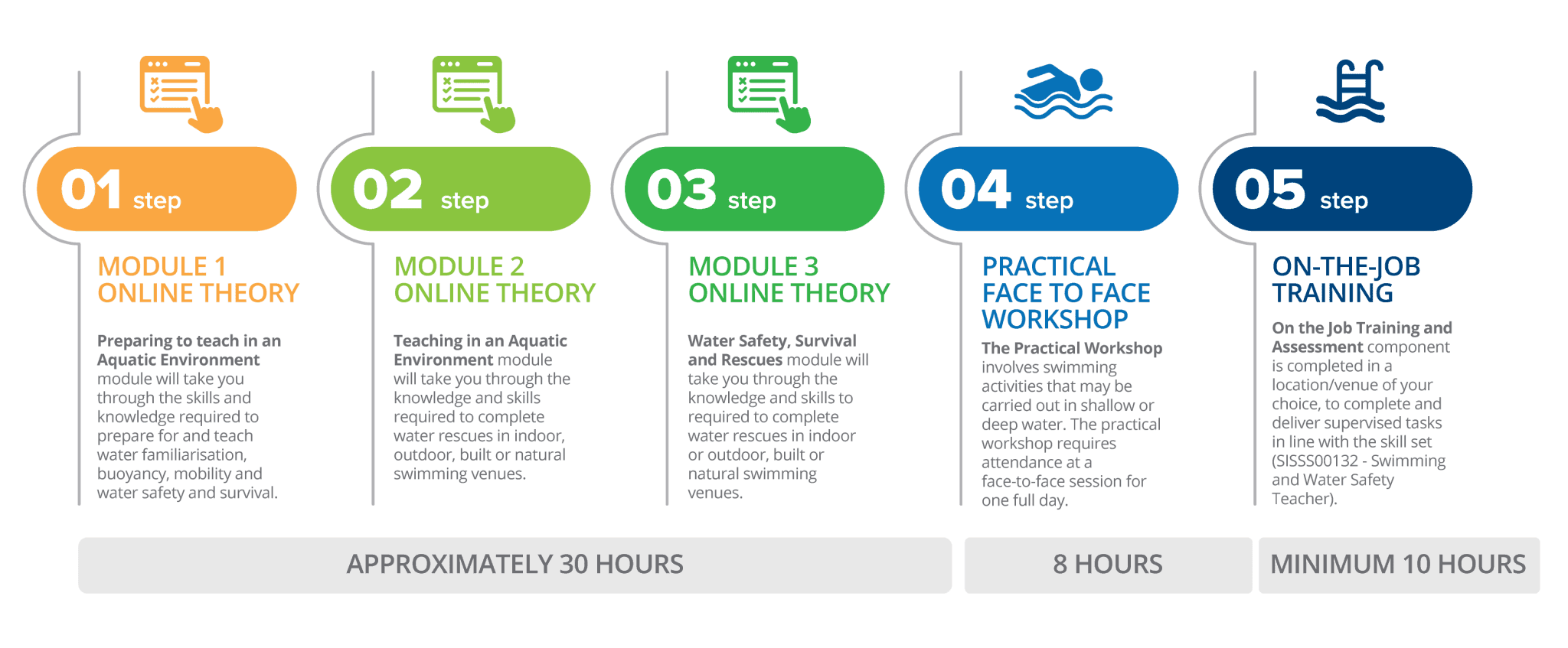
The redesigned pathway connected online theory with practical workshops and supervised workplace training. Digital content prepared trainees before they entered the pool environment, allowing practical sessions to concentrate on the skills that could only be developed through demonstration, practice, and coaching.
The solution was designed for the operational environment, including mobile-compatible learning that could be accessed on devices used around the swim-school workplace, LMS integration, and point-of-need resources supporting trainees beyond formal modules.
Learning designed for the environment where the work happens
Aquatic Achievers swim-teacher learning in practice
End-to-end learning design and implementation
01
Client and learner discovery
02
Capability and performance-gap analysis
03
Learning architecture and blended pathway design
04
Digital instructional design
05
Video and multimedia integration
06
Practical and workplace learning design
07
Assessment strategy
08
LMS integration
09
Client review and UAT
10
Launch and implementation support
A shorter pathway without removing the practice that mattered
By moving appropriate knowledge development into digital learning and reserving practical time for demonstration, coaching, and authentic application, the redesigned pathway reduced average time to competency from approximately 70 hours to approximately 40 hours per trainee.
~43% reduction in time to competency
70 hours → 40 hours
A more efficient blended pathway connecting theory, practical instruction, and supervised workplace assessment.
Designing for performance, not course completion
This project demonstrates my approach to instructional design in operational environments: understand the real performance requirement first, then use each learning modality for what it does best. Digital learning prepared people efficiently. Practical training built physical skill. Workplace assessment confirmed that the capability transferred into real work.